Why Upstate SC's Climate Is Harder on Hardscaping Than Most Homeowners Realize
If you've lived in Greenville, Spartanburg, or Anderson for more than a summer or two, you already know the humidity here is no joke. That thick, sticky air that settles in from June through September doesn't just make outdoor entertaining uncomfortable without a shade structure—it quietly goes to work on your patio, walkway, and pool surround materials year-round. And for homeowners who invested in the wrong pavers, the evidence shows up fast: algae streaks on natural stone, crumbling mortar joints, weed fingers pushing through sandy joints, and surfaces that look dingy no matter how often you pressure-wash them.
Here's what most general hardscaping guides won't tell you: not all pavers perform equally in a humid subtropical climate. A material that looks stunning in a Phoenix showroom or holds up beautifully in the mid-Atlantic can struggle right here in the Upstate. Our clay-heavy Piedmont soils shift seasonally. We get enough freeze-thaw cycles in January and February to stress porous stone. And our summer rainfall—often arriving in intense afternoon bursts—demands drainage systems and surface materials that can handle real water volume without staining, heaving, or deteriorating.
The good news? There are paver materials specifically engineered to thrive in exactly these conditions, and choosing the right one from the start means your outdoor space stays beautiful with very little ongoing effort on your part. At Southern Pavers, we've installed hundreds of projects across Greenville, Simpsonville, Greer, and Spartanburg, and we've watched how different materials perform through real Upstate summers and winters. Here's what we've learned.
The Best Low-Maintenance Paver Materials for South Carolina's Heat and Humidity
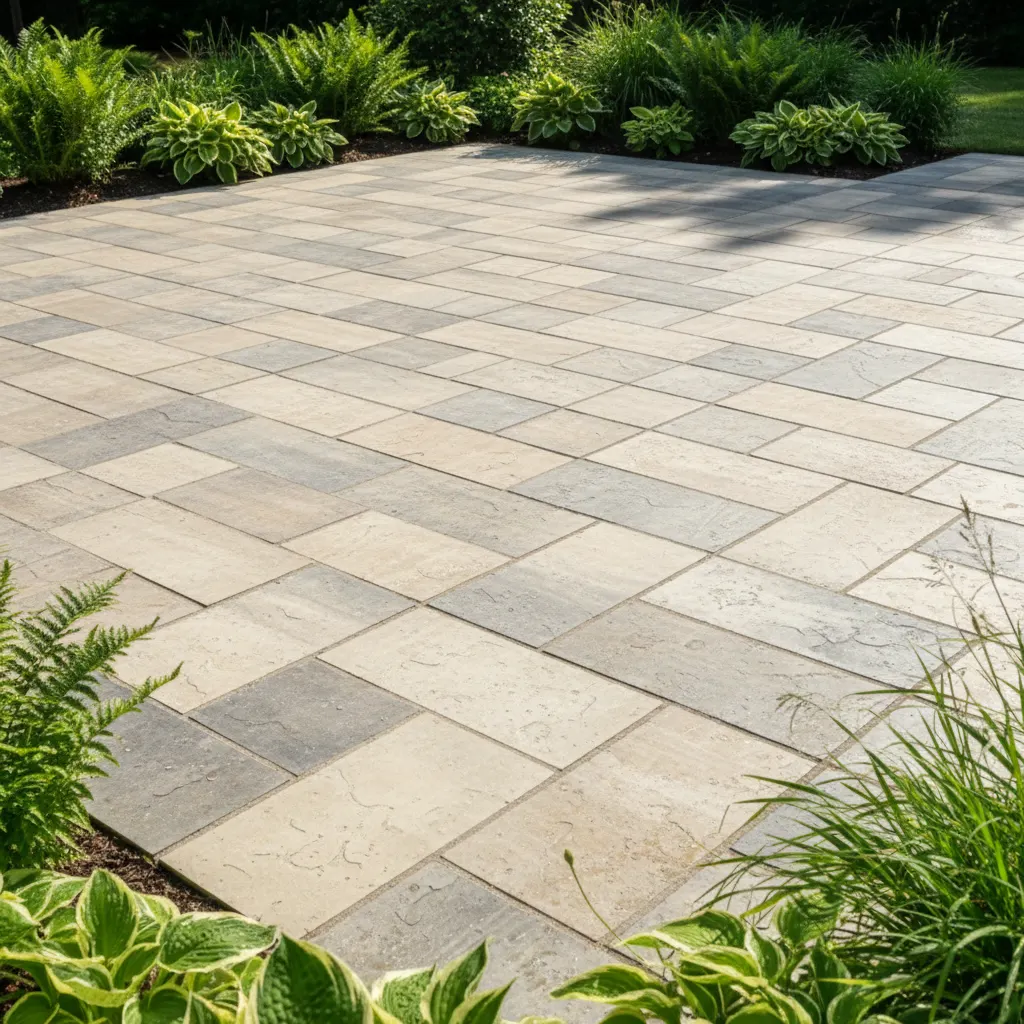
When homeowners ask us what the best pavers for South Carolina's climate are, our answer almost always starts with porcelain. Modern porcelain pavers—think large-format slabs in the 24x24 or 24x48 inch range—are manufactured with an extremely low water absorption rate, typically less than 0.5%. In practical terms, that means moisture from rain, morning dew, and ground humidity has almost nowhere to go. There's no penetration, which means no freeze-thaw cracking, no algae taking root in the surface, and no staining from tannins or organic debris falling from your Upstate SC hardwoods. A light rinse with a garden hose keeps them looking freshly installed for years.
Porcelain also holds up exceptionally well against the UV intensity of South Carolina summers. Unlike some natural stones that fade, bleach, or develop a chalky surface over time, quality porcelain retains its color and texture for decades. Brands like Belgard's porcelain collection offer wood-look, stone-look, and contemporary concrete aesthetics that give you the design flexibility of natural materials without the maintenance burden. We've installed these on pool surrounds in Simpsonville and covered patios in Five Forks where they've been in service for several years now—they still look like day one.
If you love the warmth of natural stone but want something more forgiving than traditional limestone or sandstone, travertine is worth a serious look—with one important caveat. Filled and honed travertine, rather than the open-pore tumbled variety, performs significantly better in humid climates. The filled surface reduces moisture infiltration while preserving that gorgeous warm ivory and walnut toning that photographs beautifully around pool surrounds and outdoor kitchens. Properly sealed on installation and resealed every few years, filled travertine is a manageable, high-beauty option for Upstate homeowners who want that Mediterranean character.
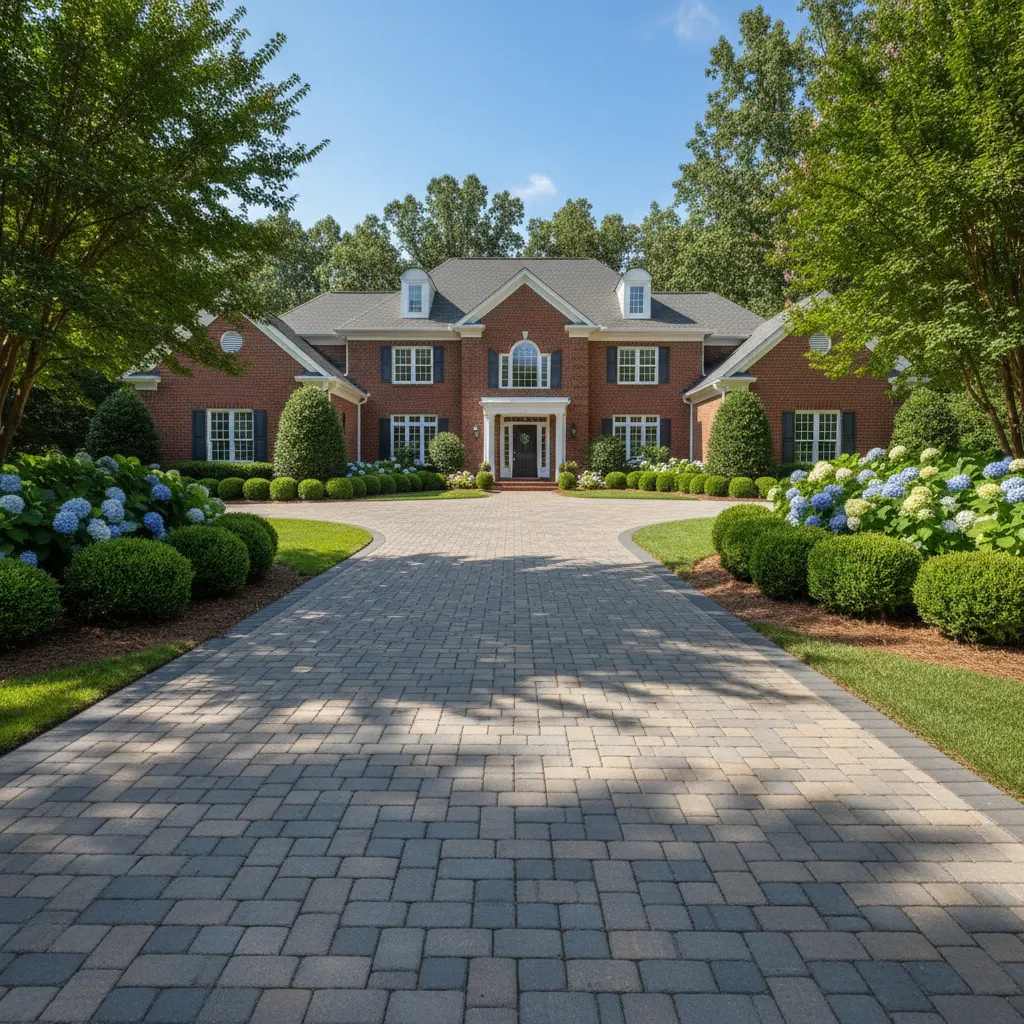
For driveways, pool surrounds, and high-traffic walkways where durability is the absolute priority, Tremron's concrete paver systems deserve a strong look. Tremron engineers their pavers specifically for the Southeast market, which means their mix designs account for our humidity levels, UV exposure, and drainage requirements. Their Holland Stone and Mega Bergerac profiles in particular have proven themselves across hundreds of Upstate SC installations—they resist efflorescence (that white mineral bloom that plagues cheaper concrete pavers), hold their color well in intense sun, and when installed with polymeric jointing sand, they stay tight and weed-free for years with minimal intervention.
The Hidden Maintenance Multiplier: Why Installation Quality Matters as Much as Material Choice
We want to be honest with you about something: even the best low-maintenance paver material in the world will become a high-maintenance headache if the foundation beneath it isn't built correctly. This is one of the most important things we communicate to homeowners throughout the Greenville and Spartanburg area, because it's where a lot of budget installations fall short—and where the real long-term cost difference between a quality installation and a cheap one becomes painfully clear.
In Upstate SC's clay soils, proper base preparation is everything. Clay expands when wet and contracts when dry, which means any hardscape surface sitting on inadequately prepared ground will shift, settle, and crack over time regardless of how premium the pavers themselves are. Our installations include proper excavation depth, compacted gravel base layers, and where appropriate, geotextile fabric barriers that prevent clay migration into the drainage aggregate above. This subsurface work is invisible once the project is complete, but it's the reason our patios in Anderson and retaining walls in Greer are still perfectly level and tight years after installation while competitors' projects nearby are showing gaps and settlement.
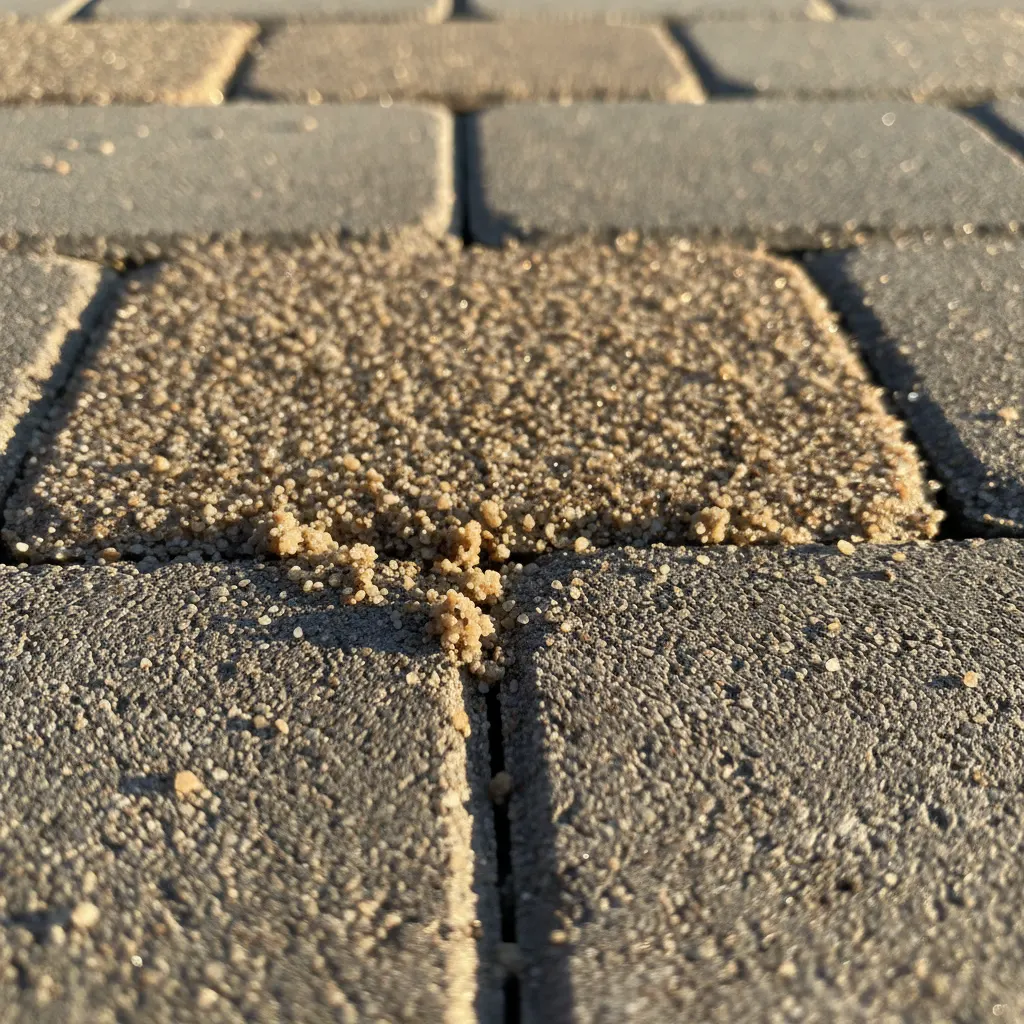
Polymeric jointing sand is another detail that dramatically reduces long-term maintenance burden. Traditional sand joints wash out over time, inviting weeds and requiring periodic re-sanding. Polymeric sand activates with water to form a firm, flexible bond between pavers that resists washout, inhibits weed germination, and discourages ant activity—all significant maintenance reducers in the Upstate SC climate. We use it on virtually every installation because the upfront cost difference is small and the ongoing maintenance savings are substantial.
Proper slope and drainage design also plays a direct role in how easy your hardscape is to maintain. Surfaces that drain efficiently after rain don't pool standing water, which means less algae growth, less moisture stress on the material, and less cleaning required. A well-designed patio in Greenville should sheet water away from the home's foundation and toward appropriate drainage points, keeping the surface dry between rain events. When we design outdoor spaces using our AI-powered visualization tools—something unique to Southern Pavers in the Upstate—we're mapping drainage flow alongside aesthetic design from the very first planning conversation.
What a Truly Low-Maintenance Outdoor Space Looks Like in Practice
Let's paint a realistic picture of what you're actually signing up for when you invest in the right materials and a quality installation. A porcelain or properly specified Belgard paver patio in Greenville, maintained well, requires an occasional rinse with a garden hose and perhaps one light pressure-wash per year to remove any organic debris buildup. That's it. No annual sealing appointments. No re-sanding joints every spring. No scrubbing algae stains every August. You spend your summer entertaining on your patio, not maintaining it.
Compare that to a natural limestone patio installed without proper sealing, or a concrete slab with expansion joints that invite weeds and crack under clay soil movement. Homeowners with those surfaces often spend multiple weekends per year on maintenance tasks—and still end up with a surface that looks tired after five or six years. The material and installation investment made upfront in a quality, climate-appropriate hardscape pays dividends every single season afterward in time saved, frustration avoided, and a consistently beautiful outdoor environment.
For families in Simpsonville and Five Forks with busy schedules, for empty nesters in Greenville's established neighborhoods who want to enjoy their outdoor spaces without constant upkeep, and for homeowners throughout the Upstate who are simply tired of fighting their patio instead of relaxing on it—this is the conversation we love having. Because the right hardscape, designed and installed correctly, genuinely becomes a low-effort, high-joy part of your home for decades.
If you're ready to stop guessing about which materials will actually hold up in Upstate South Carolina's climate—and start planning an outdoor space that works as hard as you do without demanding the same in return—we'd love to talk. Give Joe a call at (864) 501-6994 or visit southernpaversscpro.com to request your free estimate. We'll walk you through material options, show you real examples from projects right here in Greenville, Spartanburg, and Anderson, and use our AI-powered design visualization to help you see exactly what your finished space will look like before a single paver is set. The best outdoor living starts with the right foundation—let's build yours together.
Ready to Get Started?
Free estimates, no pressure. Tell us what you are thinking and we will show you what is possible.